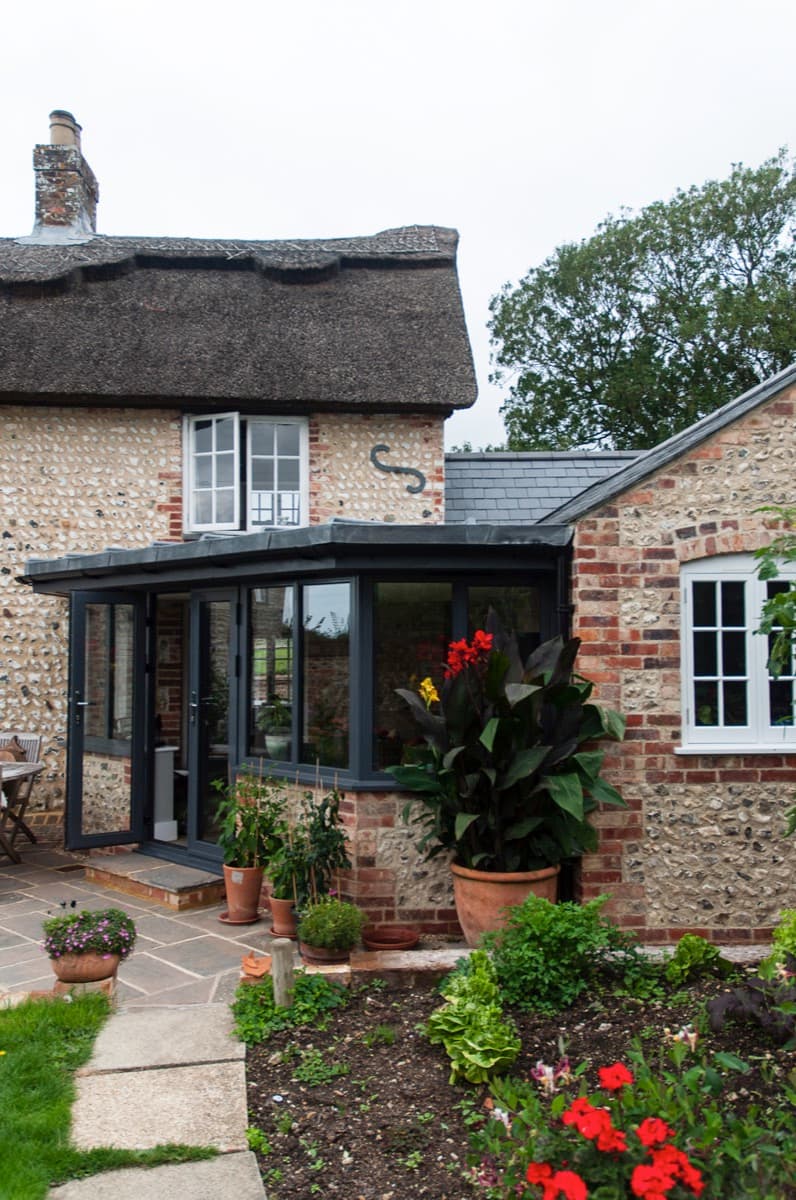
Mansard Loft Conversion
A mansard loft conversion is the most extensive — and most rewarding — type of loft transformation we carry out. Named after the 17th-century French architect François Mansart, it involves rebuilding the rear roof slope at a near-vertical angle (typically 72 degrees) with a flat or very shallow-pitched top. The result is a room that feels more like a full storey than a loft conversion — full height from front to back, with a proper ceiling, full-width windows and none of the tapering that affects other conversion types.
Structurally, a mansard is a significant piece of work. The existing rear roof slope is removed entirely. The party walls are raised to the new ridge height, and a new near-vertical rear wall is built — typically in brick or block, to match the existing property. This new wall supports the flat or shallow roof above, which is usually finished with a GRP membrane or lead for durability and longevity. The flat top section can accommodate rooflights to bring light into the centre of the room, while large rear-facing windows — sometimes floor-to-ceiling — are fitted in the new vertical wall below.
Because of the scale of the structural work, mansard conversions are better suited to properties where the roof structure can accommodate the rebuild without affecting the front slope or the main structural ridge. They are particularly popular on Victorian and Edwardian terraces, where the rear roof slope is steep and the potential room gain is significant. In areas like Worthing's older residential streets, a well-executed mansard conversion can add the equivalent of a full bedroom floor.
Mansard conversions almost always require full planning permission, as the change to the external appearance of the building is substantial. Rear-facing mansards are generally viewed more favourably by planning authorities than front-facing ones, but each case is assessed individually. We handle all planning and building regulations applications as part of our service, including architectural drawings and the planning statement if required. Our familiarity with Adur & Worthing Councils' planning office helps us frame applications in the most effective way.
The typical programme for a mansard conversion is ten to twelve weeks from the start of structural work to final sign-off. The finished room is fully insulated to current building regulation standards, NICEIC-certified electrics throughout, Gas Safe plumbing if an en-suite is included, and all first and second fix joinery by our own team. Materials are sourced through D.J. Redman in Worthing. A mansard conversion is the highest-cost option, but it delivers the highest return — both in terms of usable space created and the value added to your property.
- Victorian and Edwardian terraced properties
- Homeowners wanting maximum ceiling height throughout
- Properties where a full extra floor is impractical
- High-specification en-suite bedroom projects
Other Conversion Types
Ready to discuss your mansard loft conversion?
Get in touch today for a site visit and written quote. We cover Worthing and all of West Sussex.